
Aqua-Ice: From a Small Consultation Meeting to an International Aquaculture Conference
Gunnar Thordarson, Managing Director of Aqua-Ice, was born and raised in Ísafjörður, where the seafood industry has always been a natural part of everyday life. Coming from a fishing family, he says his interest in the sector is simply “in his blood.”
His career path clearly reflects that connection. He started working at sea at a young age and spent nearly a decade there before taking over the operation of a shrimp processing plant in Ísafjörður, later continuing in fish processing. He then pursued studies in international business, which led him into research and development, where he has spent the past decade working at Matis on projects related to the seafood industry and aquaculture.
His work has taken him around the world—to Canada, Russia, Mexico, Sri Lanka, and Uganda—where he has been involved in industry-related projects, including work for the World Bank. Despite this international scope, he says his motivation has always remained the same: to contribute to the development of an industry that has undergone remarkable changes in a relatively short time.
Origin and Purpose
The origins of Aqua-Ice can be traced back to 2016, when the association Strandbúnaður was established with the aim of creating a professional and credible platform for discussion, education, and knowledge sharing in aquaculture.
A wide range of companies and institutions connected to the industry were involved in its establishment, including Arctic Sea Farm, Stofnfisk, Laxá Feed Mill, Efla, and others, along with Matis, which was one of the founding partners. From the outset, emphasis was placed on ensuring that the association would not function as an interest group, but rather as an independent platform where aquaculture companies, service providers, authorities, and knowledge institutions could come together to discuss the development of the industry on a professional basis.
“This was a growing industry, and it was considered important to bring together farming companies, service providers, authorities, and knowledge stakeholders,” says Gunnar.
Aqua-Ice: From a Small Consultation Meeting to an International Aquaculture Conference
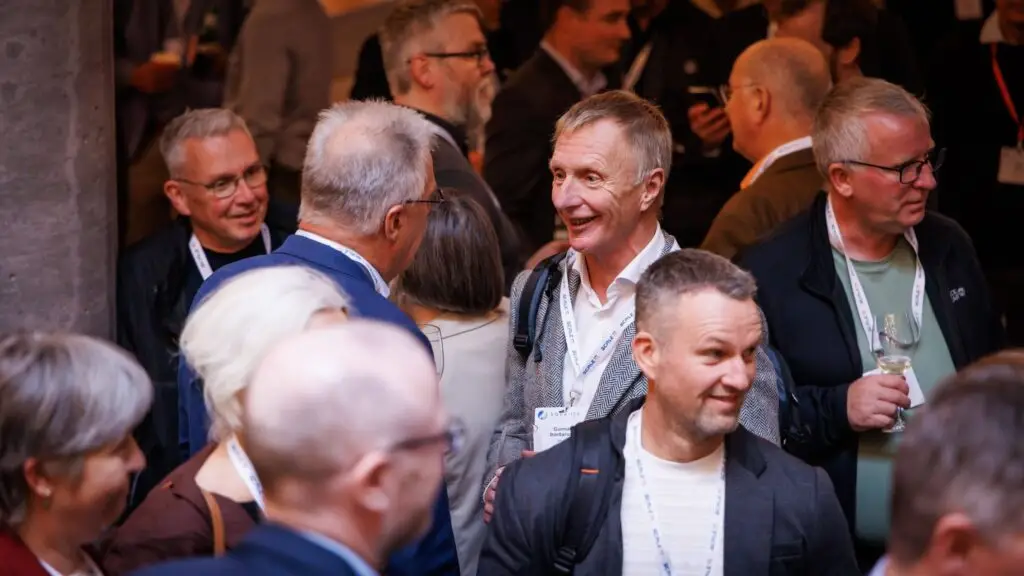
Aqua-Ice has, in a relatively short time, evolved from a small domestic consultation forum into a leading international aquaculture conference. Held annually in Reykjavík, the conference now attracts aquaculture companies, service providers, authorities, and experts from across the globe.
According to the organizers, the growth of the conference reflects the rapid development of the industry itself. Originally, Aqua-Ice was intended as a platform for Icelandic companies that saw opportunities in aquaculture, but with increasing participation both domestically and internationally, the event has become an annual gathering point for the industry.
Strong Growth in Aquaculture
Gunnar took over as Managing Director of Aqua-Ice in 2019 from Valdimar Ingi Gunnarsson, who had previously led the development of the conference and shaped its foundation in the early years. With his background in the seafood industry and aquaculture, Gunnar stepped into the role at a time when the sector was experiencing rapid growth. In his view, aquaculture is now one of the fastest-growing and most exciting industries in Iceland.
“Salmon farming is a very exciting industry. There are massive investments and strong growth. This is a high-tech sector that requires significant human expertise,” he says. He also points out that land-based salmon farming has attracted particular attention in recent years.
“Investments in land-based aquaculture are on a scale we haven’t seen before—even compared to large-scale power plant developments.”
Growth and Move to Harpa
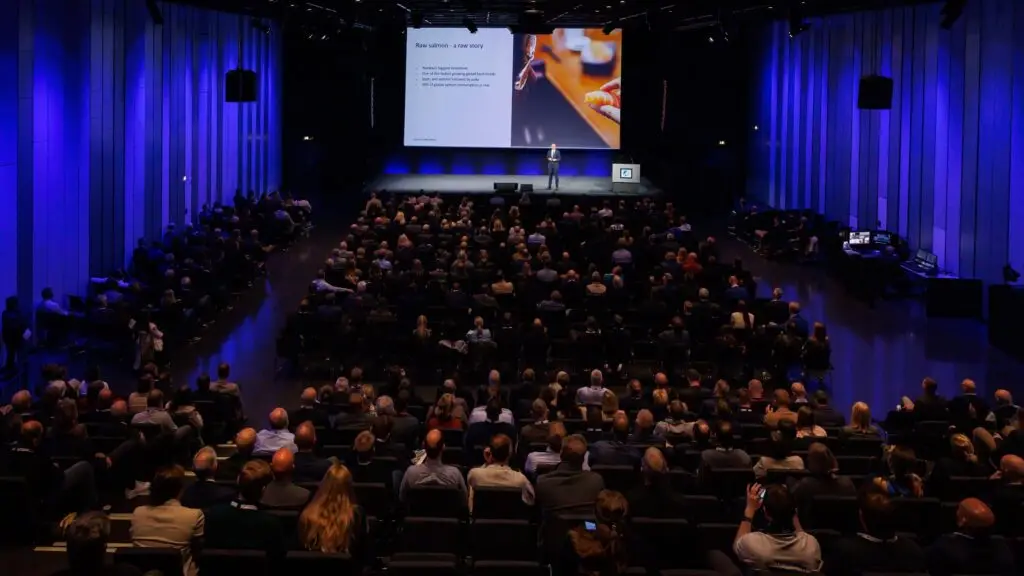
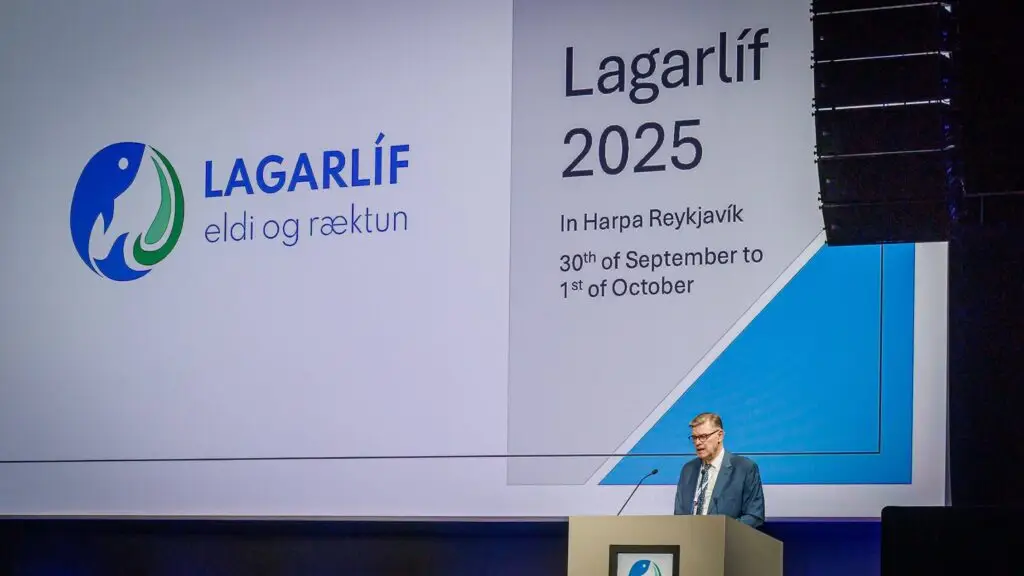
The first Aqua-Ice conference was held in 2016 at the Grand Hotel Reykjavík and was, from the outset, a two-day event focused on professional dialogue and knowledge sharing. Attendance grew steadily, and it soon became clear that the Grand Hotel could no longer accommodate the increasing number of participants. When the hotel began major renovations of its conference facilities in 2023, the organizers decided to move the event to Harpa Concert Hall—a decision that marked a turning point in the development of Aqua-Ice.
“In reality, no other venue was suitable given the number of participants we expected,” says Gunnar Thordarson.
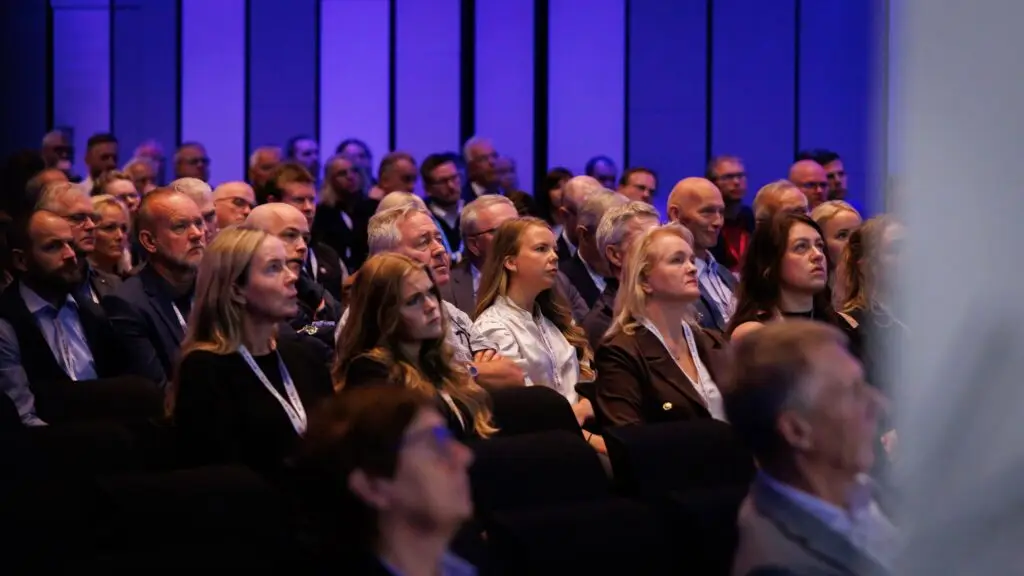
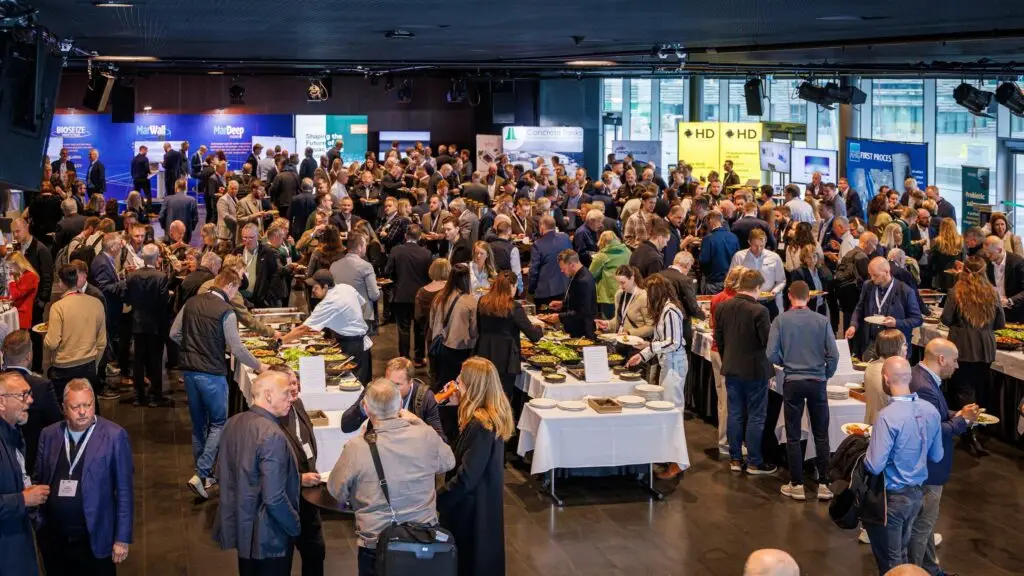
The move to Harpa made it possible to expand the conference, offer a more diverse program, and welcome a larger number of international guests. As a result, Aqua-Ice further strengthened its position as an international conference that continues to grow year by year.
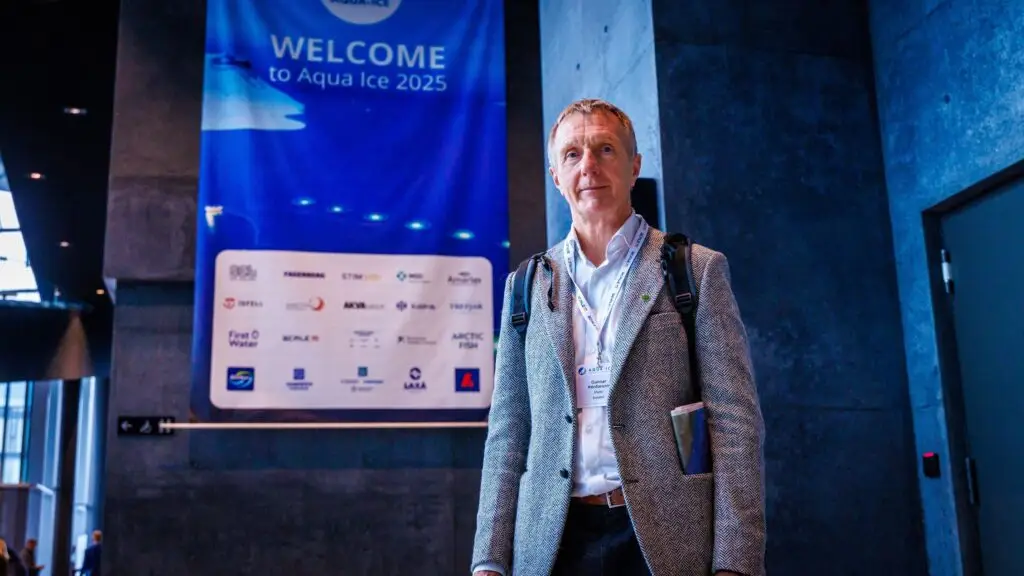
Gunnar Thordarson, Managing Director of Aqua-Ice
Growing International Participation
In its early years, Aqua-Ice was primarily a domestic platform. However, with increased investment in salmon farming in Iceland and growing international interest in the country’s conditions, the number of international participants quickly began to rise. Last year, international guests accounted for around 40% of attendees, with the largest group coming from Norway.
A growing number of international aquaculture companies now use Aqua-Ice as an annual meeting and networking platform, where they can connect with service providers, authorities, and knowledge institutions in one place. To meet this development, the conference has transitioned to English as its primary language, with the program, communications, and promotional materials all presented in English. Aqua-Ice has also established increasing collaboration with aquaculture conferences in Norway, Scotland, and Canada, enhancing its visibility and creating new opportunities for knowledge sharing and networking.
Additional Events Linked to Aqua-Ice
In recent years, additional events have been held alongside the Aqua-Ice conference, strengthening the overall experience and creating further opportunities for knowledge sharing and networking within the industry.
Gunnar Thordarson was instrumental in initiating workshops under the title “Nordic Salmon” in connection with Aqua-Ice, allowing participants of the workshops to also attend the conference itself. This initiative was well received, and in 2021 and 2022 two Nordic Salmon workshops were held in collaboration between Matis and AG-FISK at the Ölfus Cluster facilities in Þorlákshöfn.
A Platform for Dialogue in Challenging Times
The Covid-19 pandemic posed significant challenges for conference organizers. Aqua-Ice was scheduled to take place in March 2021 but was postponed due to restrictions on public gatherings. Later that autumn, however, a short window opened, and the conference was successfully held in October—just before restrictions were tightened once again.
“We essentially had a one-week window where the conference could take place just before everything shut down again,” says Gunnar.
Although Aqua-Ice is not an interest organization, Gunnar believes it has had a positive impact on the dialogue surrounding aquaculture. The conference brings together aquaculture companies, service providers, authorities, and knowledge institutions to engage in discussion.
“This dialogue is extremely important and, in fact, the cornerstone of Aqua-Ice,” he says.
The Future of Aqua-Ice
Competition among international aquaculture conferences has intensified, but Gunnar believes that the unique strength of Aqua-Ice lies in its professionalism, open dialogue, and credibility.
“There will be increasing competition from other aquaculture conferences, but it is important to maintain our unique position as an international conference in Reykjavík,” he says. In his view, it is precisely the combination of a strong academic focus and open discussion that will keep Aqua-Ice in a leading position as the industry continues to grow and evolve globally.