Þorláksskógar

A large, long-term forestry and land restoration project.

Þorláksskógar

Þorláksskógar is an extensive forestry and land restoration project built on long-term collaboration and structured land development. The project combines ecosystem restoration, carbon sequestration, and sustainable land use with the aim of creating lasting benefits for the future.

About the Project

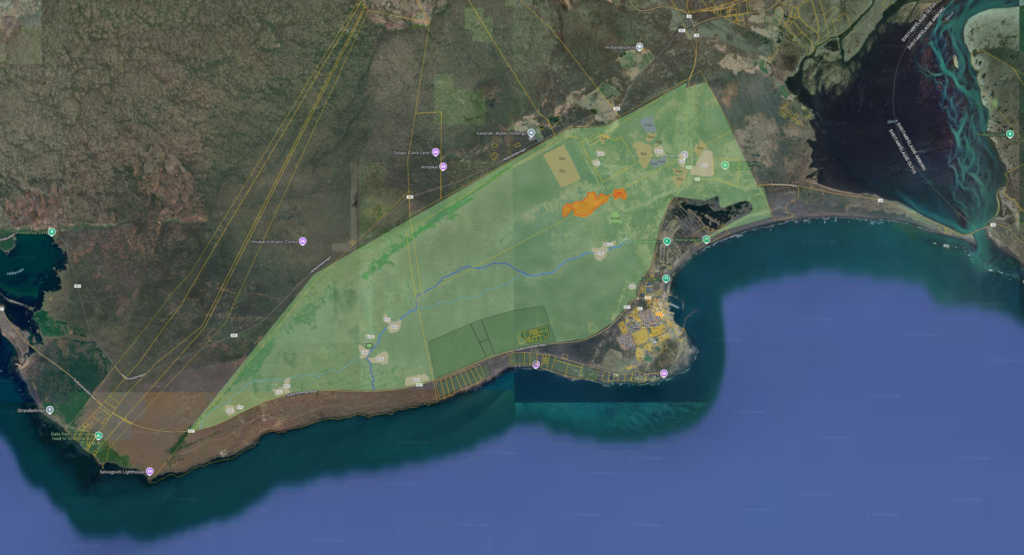
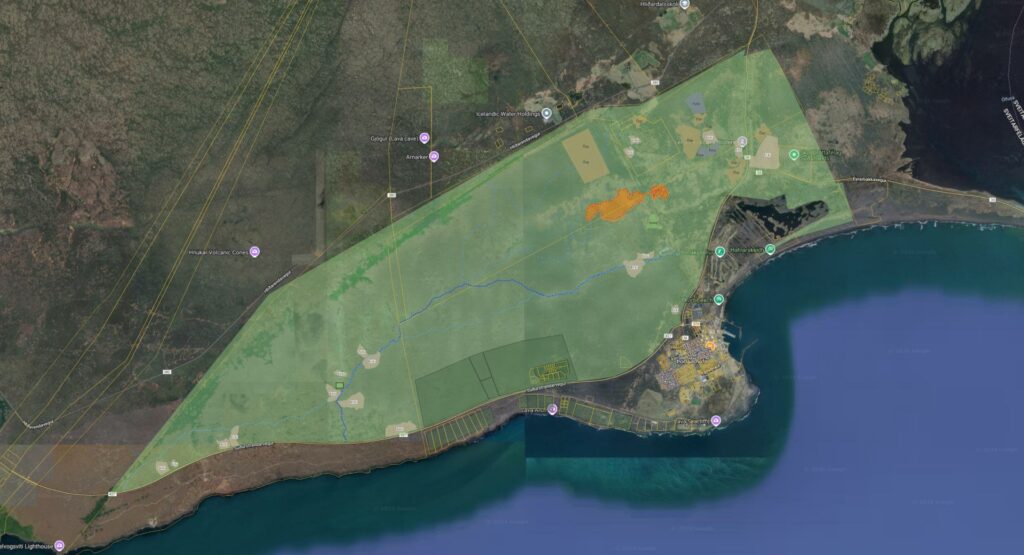
Þorláksskógar is a collaborative project that formally began in 2016 and is carried out in cooperation between the Municipality of Ölfus and Land and Forests. Ölfus Cluster manages the project on behalf of the Municipality of Ölfus. The project covers a total area of 4,620 hectares, where systematic efforts are focused on land restoration and the development of forested areas.

The area is divided into birch woodland on the one hand and forest land with mixed tree species on the other. The development of the area is approached with a long-term perspective, with measures designed to support both nature and the local community.

Þorláksskógar

Þorláksskógar is therefore one of the largest individual contributors to carbon sequestration in the area and an important contribution to climate action in Iceland.

4.620 Hectares

Total area of the site

∼33,000 tonnes of CO₂ per year

Estimated annual carbon sequestration

∼1.7 milljón tonnes of CO₂

Potential sequestration over a 50-year period

Land restoration

In recent years, particular emphasis has been placed on strengthening vegetation on degraded land to reduce sand drift and improve conditions for further forest development.

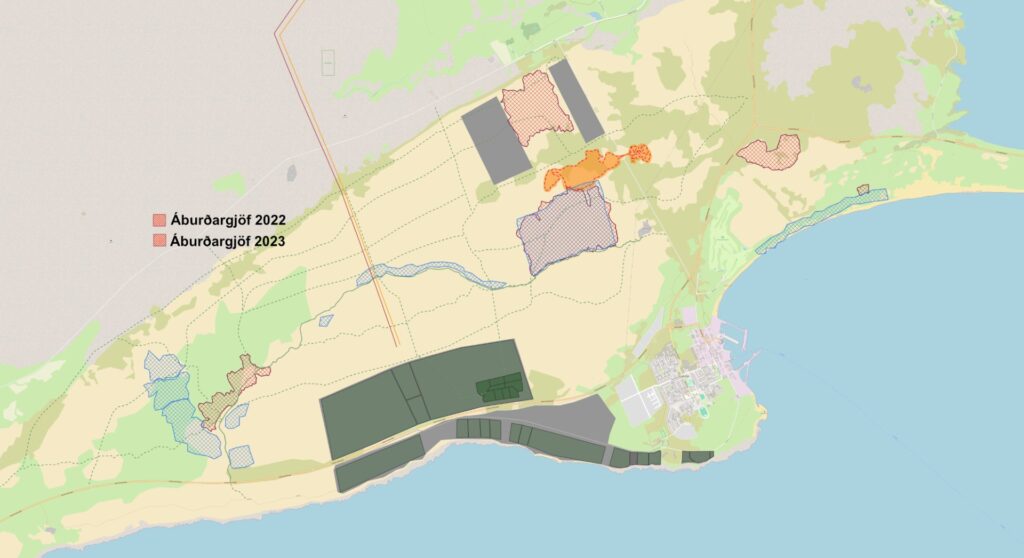
In 2023 and 2024, processed fertilizer was applied to approximately 440 hectares of land west of the old road across Hafnarsand. At the same time, land restoration work was carried out on Kamburinn east of Þorlákshöfn, where fertilizer was spread over around 24 hectares to reduce the risk of sand drift toward residential areas and the golf course.

In the spring of 2024, meat meal was also applied to approximately 43 hectares of land to reinforce vegetation in areas where growth had begun to decline.

From barren land to restored landscapes

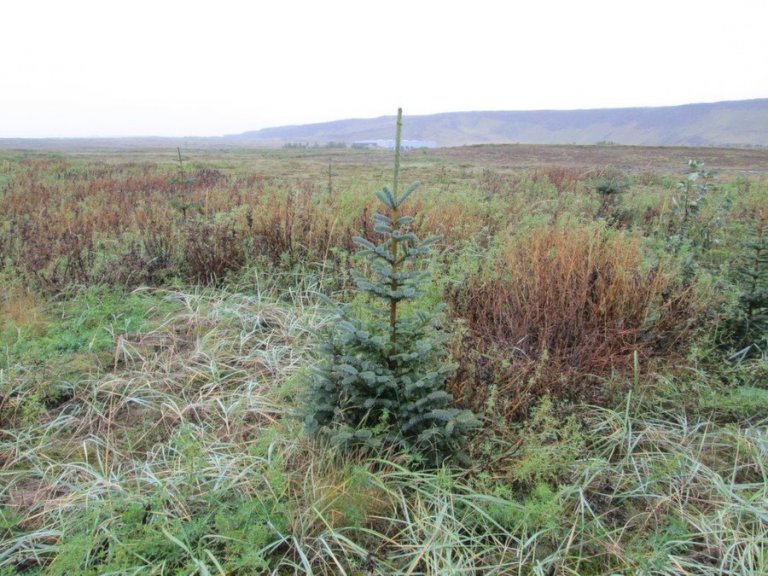
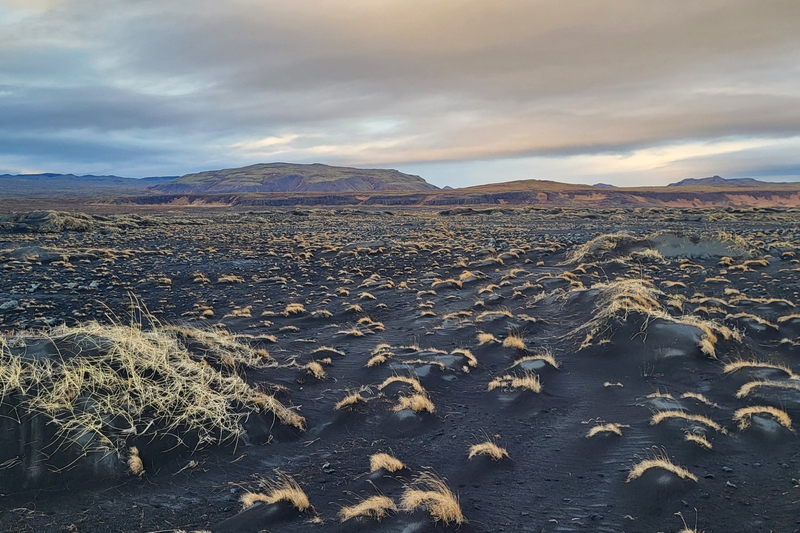
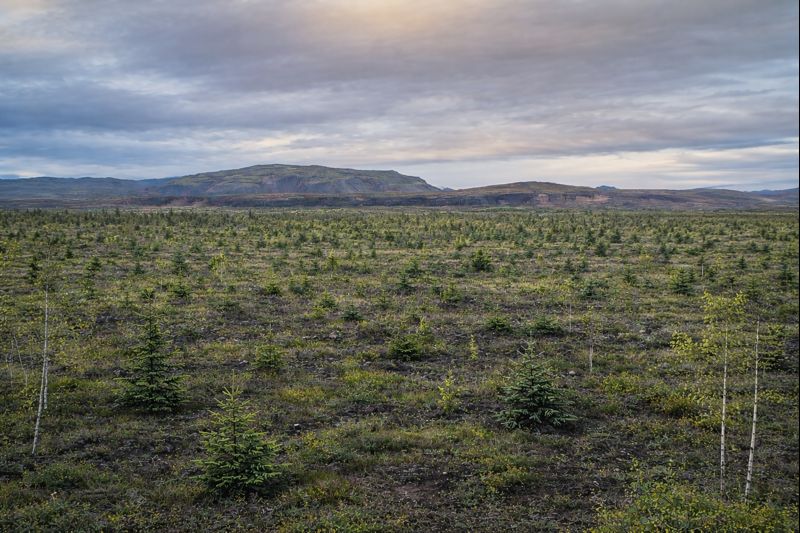
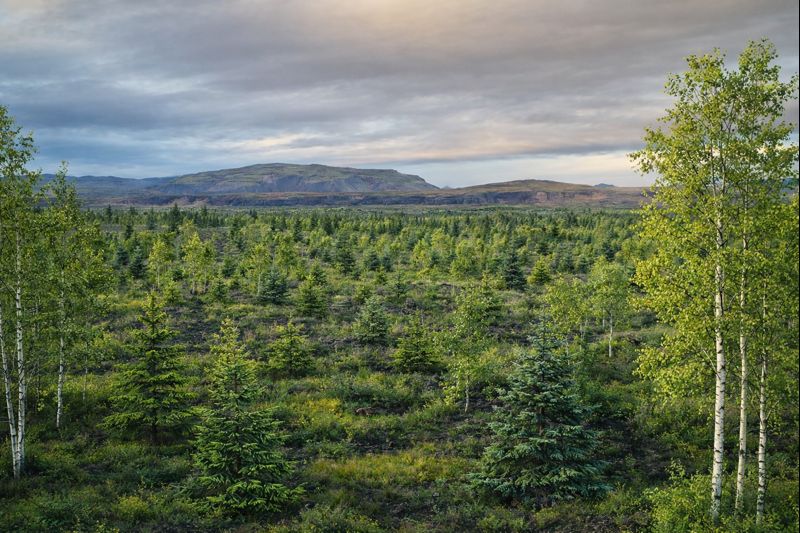
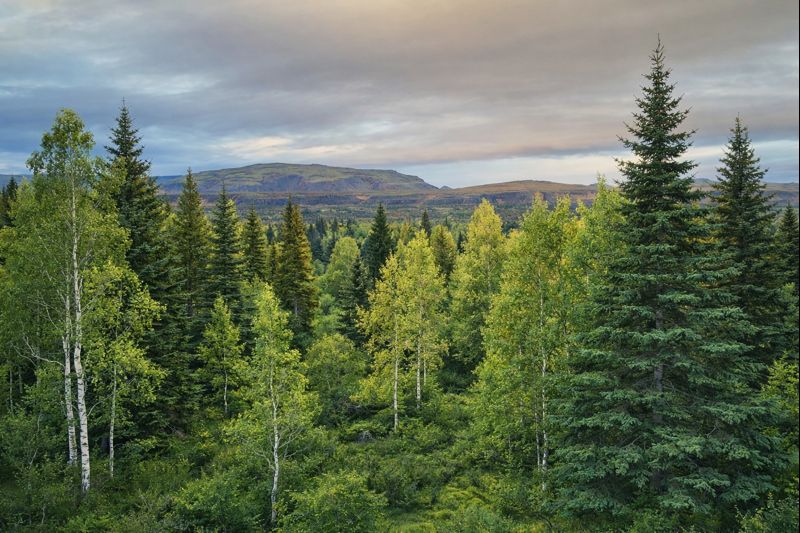
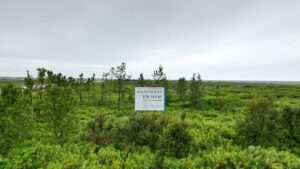
The images illustrate a possible progression of vegetation on Hafnarsandur – from a barren sand and gravel area to a vegetated and living landscape. Through targeted land restoration and afforestation, efforts are focused on ecosystem recovery, carbon sequestration, and increased resilience to climate change. (Images 2–4 are generated using artificial intelligence.)

Afforestation

Afforestation is one of the key elements of the Þorláksskógar project. In 2023 and 2024, a total of 166,710 tree seedlings and cuttings were planted within the project area. In addition, 171,284 tree seedlings were planted in 2022.

Strong emphasis has been placed on the involvement of volunteers, sports clubs, and fundraising groups, who have played a key role in planting activities. Planting has mainly taken place in areas that were previously restored through grass seeding and fertilization.

The total cost of land restoration and afforestation measures in 2023 and 2024 amounted to approximately ISK 51.5 million. The largest cost item was the purchase and planting of tree seedlings, with significant costs also associated with fertilizer application and project administration.

Fertilizer application 2022-2023

Access and Infrastructure

Limited access to parts of the area has historically hindered implementation. To address this, construction of an access track began in the autumn of 2022, laying the groundwork for improved access to land restoration and afforestation areas.

The track is approximately 10 km in total length, of which volcanic cinder (vikur) has been laid on around 4.6 km. The project was carried out in collaboration with the Municipality of Ölfus, Land and Forests, and other partners, and has significantly improved access for ongoing and future work.

Access track construction

Þorláksskógar for the Future

Þorláksskógar is a long-term project built on continuous effort, collaboration, and a professional approach.

The project demonstrates how targeted afforestation and land restoration can contribute to carbon sequestration, ecosystem recovery, and the sustainable use of land for the future.

Latest news and updates

Learn more about the project’s partners