

Draft Energy Infrastructure Bill Could Significantly Affect Industrial Development in Ölfus
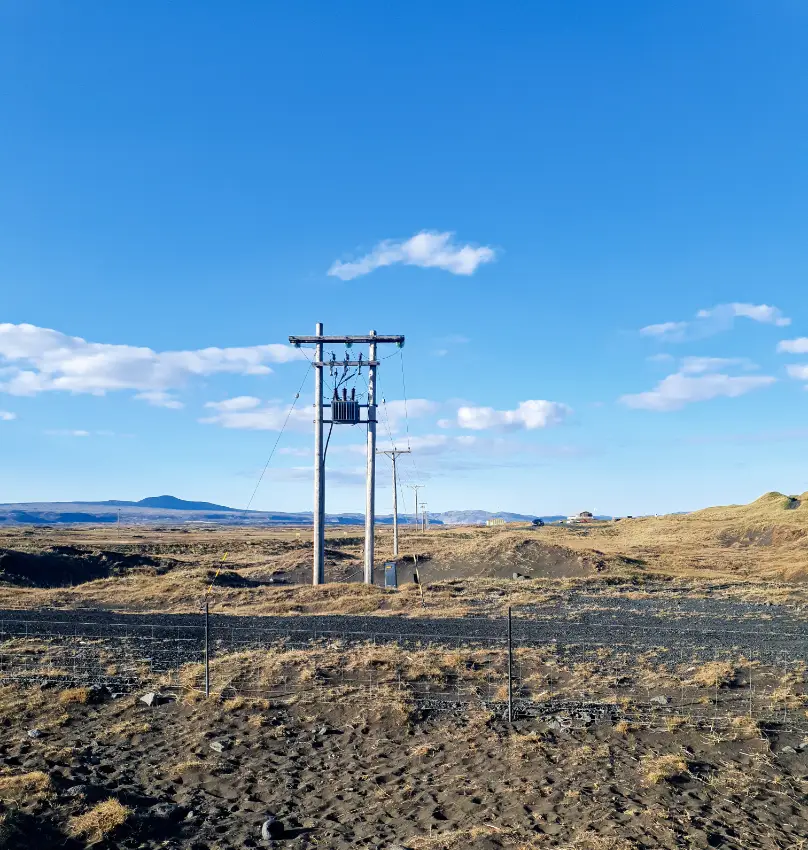
Proposed amendments to Iceland's electricity legislation and permitting procedures could have significant implications for industrial development in Ölfus. Of particular interest are proposals concerning the prioritisation of grid connection requests, phased electricity connections and changes to connection cost arrangements for large electricity consumers.
On 12 November 2026, Iceland's Ministry for the Environment, Energy and Climate published a comprehensive draft bill aimed at accelerating the development of electricity infrastructure, simplifying permitting procedures and improving the efficiency of electricity grid utilisation.
The proposed changes could be particularly relevant to municipalities experiencing substantial industrial development, where access to reliable electricity is a key prerequisite for further investment.
In Ölfus, this is particularly relevant to the industrial areas at Víkursandur and Hafnarsandur near Þorlákshöfn, where a range of industrial projects are currently being prepared, including data centres and other energy-intensive activities.
The Municipality of Ölfus is also advancing planning work for the I4 industrial area at Víkursandur. On 3 November 2026, a proposed comprehensive revision of the detailed development plan was published for consultation. The proposal includes approximately 25 new industrial plots, partly in response to data centre development interest, along with a designated plot for an electricity substation. The proposed plan is still undergoing the statutory planning process and has not yet entered into force.
Phased Grid Connections Could Create New Opportunities
One of the most noteworthy proposals concerns the processing of grid connection requests when available transmission capacity is limited.
The draft bill proposes allowing Landsnet, Iceland's transmission system operator, to prioritise connection requests according to objective, transparent and non-discriminatory rules approved by the Electricity Regulatory Authority. The assessment would consider, among other factors, project readiness, the impact of the proposed connection on the transmission system and opportunities for flexible electricity use.
This could be particularly relevant to planned data centre developments in Ölfus, where projects may be constructed in stages and electricity demand increases as development progresses.
Such arrangements could facilitate initial development phases while further grid reinforcements are underway, provided the necessary technical and operational conditions can be met. They would not, however, guarantee a specific amount of electricity capacity.
Changes to Grid Connection Costs for Large Electricity Consumers
Another important proposal concerns the costs associated with connecting new power generation facilities and large electricity consumers to the transmission system. Under the draft legislation, payments associated with a new connection would take account of its overall impact on the electricity transmission system.
This means considering not only the additional costs resulting from a connection, but also potential benefits, including improved utilisation of existing transmission infrastructure and reduced requirements for further investment.
The proposed change could have financial implications for major industrial projects, including data centres, where grid connection costs can be an important factor when assessing investment feasibility. However, the proposal does not provide for an automatic reduction in connection charges. The actual impact would depend on the circumstances of each connection and the detailed charging framework.
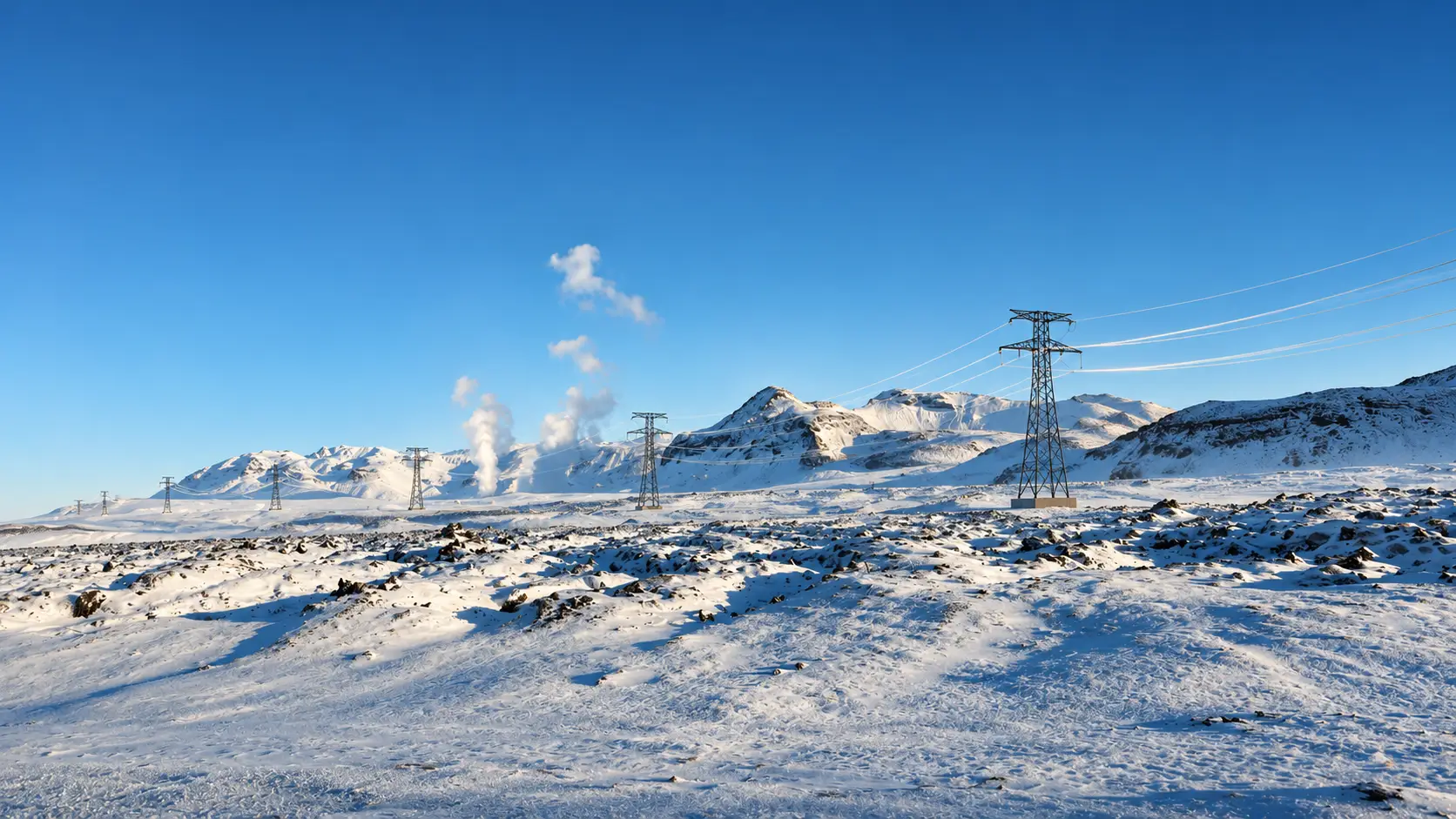
Construction of Þorlákshafnarlína 2 Underway – Energisation Planned for 2027
Strengthening the electricity transmission system serving Þorlákshöfn is a key prerequisite for continued industrial development in the area.
Construction of Þorlákshafnarlína 2 is already underway. The project involves approximately 21 kilometres of 132 kV underground transmission cable between Hveragerði and Þorlákshöfn, designed to reinforce electricity transmission to the area and improve security of supply.
The project forms part of Landsnet's investment programme for 2026–2028. According to Landsnet's published project information, the new connection is expected to be energised in late 2027.
The project represents an important step towards strengthening the regional transmission system. However, it does not, by itself, guarantee sufficient electricity capacity to meet the combined demand of all proposed industrial developments. Further grid reinforcement, individual connections and electricity supply arrangements will therefore remain important considerations.
The draft legislation also proposes granting the Electricity Regulatory Authority additional powers to monitor and enforce certain investments included in an approved transmission system development plan when delays are attributable to the transmission system operator.
As construction of Þorlákshafnarlína 2 is already underway, there is no basis for suggesting that these proposed powers would directly affect its current implementation. They could, however, improve predictability for future grid investments, subject to the conditions set out in the legislation.
Simplified Permitting and Greater Opportunities for Energy Development
The bill also proposes allowing environmental impact assessments and preparations for certain permits to proceed in parallel. The aim is to reduce duplication and shorten project preparation times without weakening requirements relating to environmental protection or statutory public consultation.
In addition, the draft bill proposes raising the capacity thresholds under Iceland's Master Plan for Nature Protection and Energy Utilisation, commonly known as the Master Plan, from 10 MW to 25 MW for electricity generation projects and from 50 MW to 125 MW for geothermal heat production projects.
These changes could simplify preparations for certain smaller energy projects and create additional opportunities for energy development. Requirements relating to spatial planning, environmental impact assessments and permits under other applicable legislation would nevertheless remain in force.
Predictability Is Essential for Businesses and Municipalities
According to the Ministry's regulatory impact assessment, more efficient electricity infrastructure development and more predictable permitting processes could reduce uncertainty, preparation costs and financing costs associated with major projects. However, the overall economic impact and time savings have not been quantified.
The assessment also recognises that prioritising grid connection requests could affect individual companies and their competitive positions differently, depending on how the criteria are designed and applied.
For Ölfus, where several large-scale industrial projects are currently in preparation, it is particularly important that electricity connection procedures are transparent, consistent and predictable.
At the same time, changes to permitting procedures and land access rules must respect municipal planning authority, landowners' rights and environmental considerations. Although the proposed legislation could improve conditions for industrial development, it would not, in itself, guarantee additional electricity supply or faster grid connections for individual companies.
Public Consultation Open Until 26 November
The draft legislation is open for public consultation through the Icelandic Government's Consultation Portal until 26 November 2026.
Ölfus Cluster encourages businesses and other stakeholders with interests in electricity infrastructure development to review the proposals and consider their potential implications for current operations and future investment plans.
View the Draft Legislation